
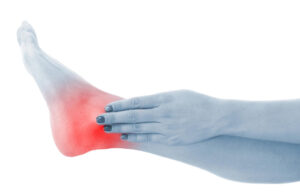
Imagine experiencing a stabbing or throbbing pain at the bottom of your foot with every step, which is between 5,000 to 6,000 daily for most people. This is the reality for the one in 10 people who develop plantar fasciitis during their lifetime.
According to the Rotherham Doncaster and South Humber NHS Foundation Trust, plantar fasciitis can occur at any age but is most common in people between 40 and 60. It also often afflicts athletes and is twice as prevalent in women as men.
Finding an effective treatment can significantly improve quality of life, allowing individuals to resume normal activities without discomfort. It also helps prevent potential complications that can occur if left untreated.
But is there a cure for plantar fasciitis? Understanding its causes and symptoms can help when selecting effective treatments. This article explores the best cures for this condition, which can end the pain it causes.
Understanding Plantar Fasciitis
Plantar fasciitis occurs when there is irritation or inflammation of the plantar fascia – the ligament supporting the foot arch that runs from the heel to the toes. Straining of this ligament can result from:
- Repetitive activities such as running, jumping, or standing for long periods
- A sudden increase in activity
- Improper footwear that has poor cushioning and does not support the arch
- Foot structure
- Obesity or sudden weight gain
- Age, as the plantar fascia becomes less elastic over time
- Foot injuries
Medical conditions such as rheumatoid arthritis or lupus also increase the likelihood of developing plantar fasciitis.
Symptoms and Diagnosis of Plantar Fasciitis
The plantar fascia acts as a shock absorber and helps with foot mechanics during walking. Any irritation of this ligament can cause painful symptoms including:
- Stabbing pain and tenderness in the heel or arch of the foot
- Pain that is worse first thing in the morning or worsens when standing for a long time or climbing stairs
- Pain that increases after walking, running, or exercising
- Mild swelling or redness on the bottom of the heel
- Tenderness when touching the affected area
- Tightness or stiffness in the arch, Achilles tendon, or calf muscles.
Diagnosis often involves a physical exam, during which the doctor will ask about symptoms. They will also note the patient’s medical history.
Imaging tests, such as ultrasound or MRI, are often ordered to rule out other conditions. These tests can also show if an inflamed nerve is causing the pain.
Is There A Cure for Plantar Fasciitis?
In some cases, plantar fasciitis can improve without treatment. However, the National Library of Medicine reports that it accounts for 11% to 15% of all foot symptoms that require medical intervention.
What is the ultimate cure for plantar fasciitis? Effective plantar fasciitis treatment often includes conservative and advanced non-surgical options. Many of them can eliminate the pain within a year. Surgery is usually a last resort if these treatments do not work.
Conservative Treatment Options
Most medical professionals choose conservative treatments for Plantar Fasciitis. Lifestyle adjustments and activity modification are usually key components.
Rest and Activity Modification
Reducing strain on the plantar fascia provides foot pain relief. Prolonged standing or running can aggravate this pain.
Taking breaks from activities that exacerbate symptoms helps. Applying ice for 15-20 minutes several times daily can also reduce inflammation.
Self-Massage and Stretching Exercises
Effective self-massaging techniques can help ease tension in the plantar fascia. They can include rolling a tennis ball or a frozen water bottle under the foot.
Regularly stretching the calf muscles and plantar fascia are also crucial. Recommended heel pain remedies include calf, toe, and towel stretches.
Footwear and Orthotics
Proper footwear with arch support or custom orthotics can significantly relieve pressure on the plantar fascia. They align the foot and reduce strain by supporting the arch and absorbing shock.
Prefabricated orthotics can offer some relief. However, custom orthotics are generally more effective. They are usually tailored to each foot’s unique shape and biomechanics.
Over-the-Counter Treatments
Pain relief may take two weeks or more, depending on the severity of the condition. While implementing the necessary activity modification pain management can include the use of over-the-counter treatments. These include Nonsteroidal Anti-Inflammatory Drugs (NSAIDs) like ibuprofen.
Non-Surgical Treatments
Non-surgical treatment options for plantar fasciitis go a step beyond rest and self-massage. The primary focus is stretching the plantar fascia and Achilles tendon to reduce pain and inflammation.
Physical Therapy
Physical therapy focuses on these areas and is considered one of the most effective treatments and a great Cure for Plantar Fasciitis. A patient receives tailored strengthening and stretching exercises that:
- Helps loosen the tight plantar fascia
- Reduces inflammation
- Strengthens the supporting muscles in the foot and calf
This course of treatment can ease pain. It also improves foot function, which can enhance recovery.
Corticosteroid Injections
Corticosteroid injections can help reduce inflammation in the plantar fascia. Cortisone shots, as they are also referred to, are usually used for severe cases.
They offer short-term pain relief by inhibiting the production of inflammatory chemicals like prostaglandins and cytokines. Their effectiveness is often considered temporary because of potential complications if used excessively.
Extracorporeal Shockwave Therapy (ESWT)
ESWT is a non-invasive procedure that uses shockwaves to promote healing in the plantar fascia tissue. It stimulates the body’s natural healing process by delivering these shockwaves through the skin to the injured area. The goal is to reduce pain and promote tissue repair.
Shockwave therapy for plantar fasciitis increases blood flow to the affected area to accelerate healing. A trial highlighted in the Multidisciplinary Digital Publishing Institute (MDPI) noted significant pain reduction due to ESWT, which helped maintain the condition’s improvement. There was also a decrease in plantar fascia thickness when treatment ended.
Finding Comfort by Ending the Pain of Plantar Fasciitis
Is there a cure for plantar fasciitis? The best approach to treating it may involve a combination of interventions.
Effective treatments include physical therapy and shockwave therapy. It is also advisable to introduce lifestyle adjustments and modify daily activities.
Midlands Shockwave & Physiotherapy Clinic can tailor treatment of your plantar fasciitis based on your specific symptoms and response to various therapies. We offer effective, affordable, non-invasive solutions to help you regain mobility and live pain-free. Book an appointment to begin your journey to full recovery.